
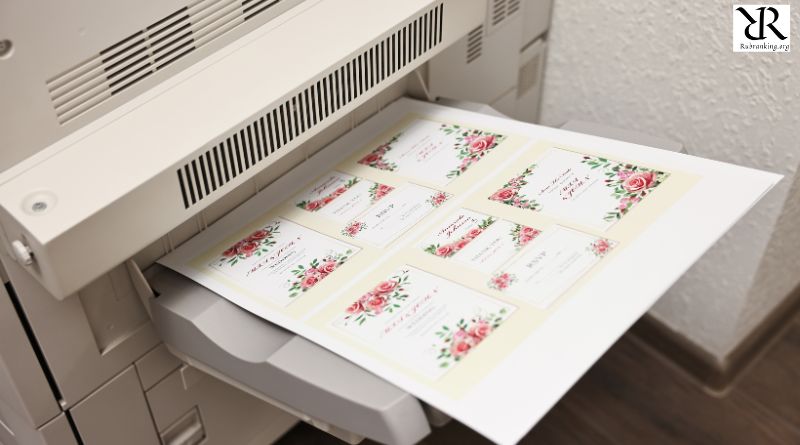
In a world ruled by instant messages, disappearing stories, and endlessly scrolling feeds, a printed greeting card feels almost rebellious. It does not buzz. It does not fade in twenty-four hours. It waits. It sits in a drawer, on a shelf, or between the pages of a favorite book, carrying a moment that refuses to disappear.
The idea of a free printed greeting card may sound simple, even ordinary. Yet behind that simplicity lies something surprisingly powerful: the return of intention in communication.
The Human Need to Be Remembered
Humans have always searched for ways to say, “I thought of you.” Long before phones and keyboards, people carved symbols into stone, wrote letters by candlelight, and folded paper with care. A greeting card is part of that long tradition. It is not just paper—it is proof of time spent thinking about someone else.
When a greeting card is printed, especially one created freely without cost or pressure, it shifts the focus away from money and back to meaning. The sender is not buying emotion; they are crafting it. Even the smallest design choice—the font, the colors, the spacing of words—becomes a quiet reflection of care.
Why Print Still Matters in a Digital Age
Digital messages are fast, but they are fragile. A lost phone, a deleted chat, a forgotten password—and the memory disappears. Printed greeting cards resist this fragility. They age with us. They gather creases, fingerprints, sometimes even tears. These imperfections do not weaken their value; they deepen it.
There is also something deeply sensory about a printed card. The texture of the paper, the sound it makes when opened, the way ink settles into the surface—these details engage the senses in a way screens never can. They slow us down, inviting us to pause and feel.
Creativity Without Cost
The phrase print greeting card free represents more than affordability. It represents accessibility. It means creativity is no longer limited to professional designers or expensive stationery. Anyone can express themselves. Anyone can celebrate, comfort, or congratulate without barriers.
This freedom encourages experimentation. A card might include a hand-written poem, a child’s drawing, or a personal photograph. The absence of cost removes fear of “wasting” materials, allowing authenticity to take the lead. And authenticity, more than polish, is what people remember.
Small Objects, Lasting Impact
Many people keep greeting cards for years. They resurface during difficult moments, reminding someone they were loved at a specific point in time. A free printed greeting card might sit quietly on a desk, but its emotional weight can be enormous.
Unlike mass-produced messages, a printed card feels singular. Even if the design is simple, the act of printing and giving it creates a one-of-a-kind exchange. It says, “This was made for you, not for everyone.”
A Return to Slower Communication
Perhaps the growing interest in printed greeting cards reflects a deeper cultural shift. People are tired of speed. They crave slowness, tangibility, and sincerity. Printing a greeting card—even a free one—requires a pause. It asks us to reflect on what we truly want to say.
In that pause, meaning emerges.
More Than Paper
At its core, a printed greeting card is not about design, technology, or trends. It is about connection. Whether free or elaborate, minimal or detailed, its true value lies in the moment it creates between two people.
In a fast, noisy world, a simple printed card quietly whispers what matters most:
You matter. I took time. This moment is real.
And sometimes, that is more than enough.